The Tiny Paper Cuts That End a Marriage with Tamy Anderson
A woman tells her husband she wants to leave. He is stunned.
He thought they were going through a hard season. He knew she was unhappy about a few things, but every relationship has problems. He assumed they would work it out eventually.
For her, the decision may have been forming for years.
She asked for more help. She asked him to listen. She asked for affection, a regular date night, follow-through, or more shared responsibility. Sometimes he apologized. Sometimes he defended himself. Sometimes he promised to change and repeated the same behavior the next day.
Eventually, she stopped asking.
That silence can be mistaken for improvement. The arguments have slowed down, so he assumes the problem has passed. In reality, she may be grieving the relationship, conserving her energy, or accepting that her needs will not matter inside it.
By the time she says she is leaving, he may finally feel the urgency she has been carrying alone. His last-minute effort can be sincere, but her willingness to trust the effort may already be gone.
The Relationship Ends Through “A Million Tiny Paper Cuts”
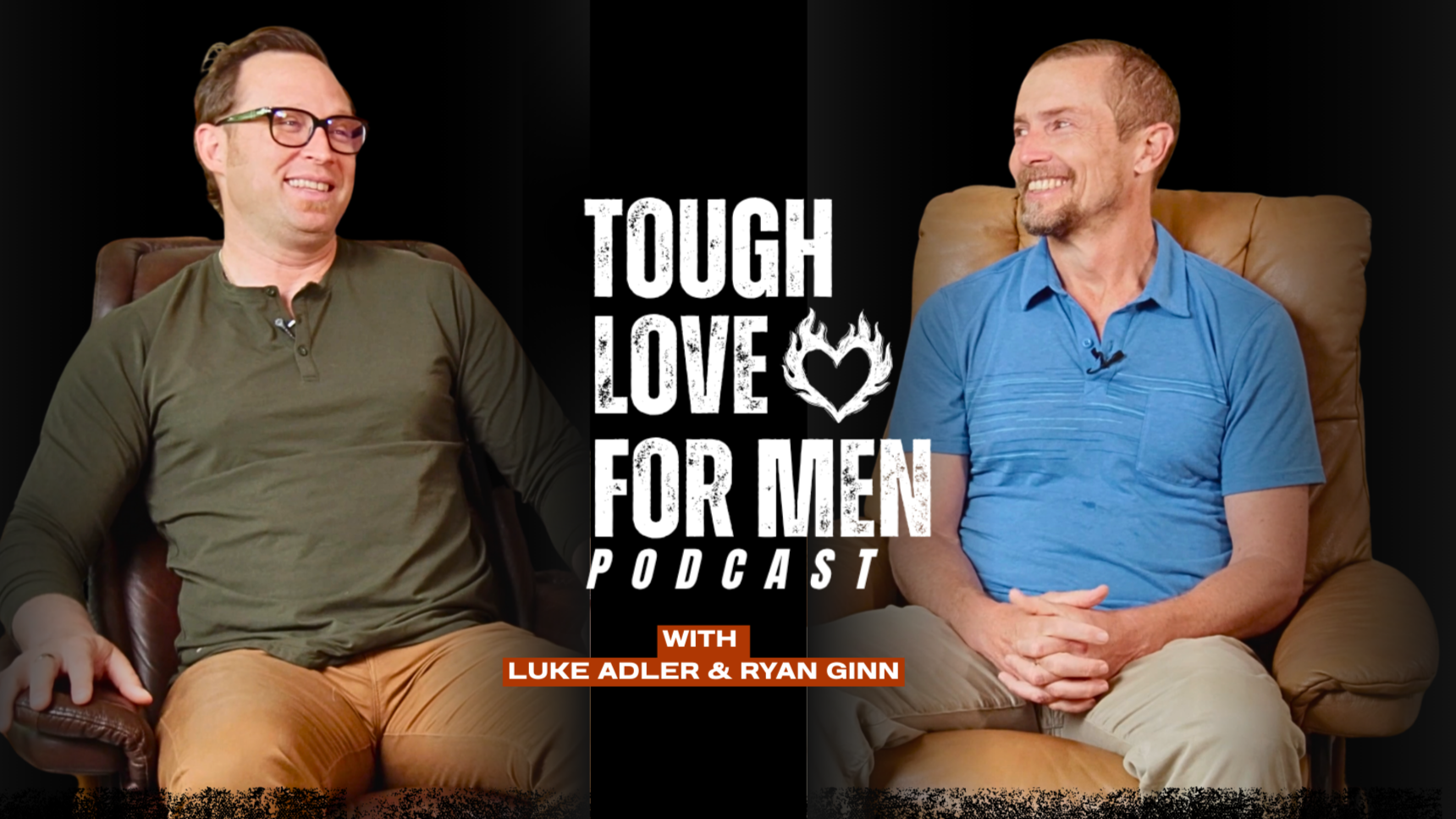
In this episode of Tough Love for Men, Ryan speaks with Functional Diagnostic Nutrition Practitioner Tamy Anderson about the small, repeated moments that slowly erode a relationship.
Tamy describes the pattern as “a million tiny paper cuts.”
One unmade bed will not end a marriage. Neither will one forgotten dish, one defensive conversation, or one missed date night. The damage comes from the meaning those moments take on when the same request is dismissed again and again.
The message she begins to receive is not simply, “He does not care about the bed.”
It becomes, “What matters to me does not matter to him.”
A small request can become a test of whether there is room for her experience in the relationship. If the response is always, “You are trying to control me,” “You are too demanding,” “That is just who I am,” or an apology without changed behavior, the issue moves beyond the task itself.
It becomes a question of care.
The Bed Was Never Just About the Bed
Tamy shares a story from her own 20-year marriage.
For years, she and her husband had an ongoing conflict about making the bed. Their schedules made it unlikely that she would get back upstairs to make it herself, and he did not care whether it was made. At night, she would walk into a bed that looked like a tornado had gone through it and feel frustrated all over again.
Near the end of his life, while he was home on medical leave, Tamy noticed that the bed had started being made.
At first, she thought she had done it and forgotten. After it happened several times, she asked him why he had suddenly changed after so many years of conflict.
His answer was simple: “I just realized it’s something that makes you happy.”
He did not need to share her preference. He only needed to understand that caring about her meant allowing what mattered to her to matter to him.
That is the shift many couples miss. You can spend years debating whether a request is objectively reasonable, or you can become curious about what the request means to the person you love.
Listen to Understand, Not to Defend
Emotional safety does not mean your partner never feels upset. It means she can bring you something difficult without immediately being dismissed, corrected, diagnosed, or punished for having a need.
Many men have learned to hear a complaint as an accusation. The nervous system moves quickly into defense: explain your intention, prove the facts, show where she is being unfair, or remind her of what she does wrong.
Even when your explanation is accurate, it may leave her feeling more alone.
Listening to understand asks something different. It asks you to set aside the need to win long enough to learn what the experience has been like for her.
You can say:
“I can see why that hurt.”
“Tell me more about what happens for you when I do that.”
“I did not intend that impact, but I want to understand it.”
“What would repair look like right now?”
Strength in relationship includes the capacity to stay present with discomfort. Vulnerability, tenderness, need, and accountability can exist alongside decisiveness, protection, and leadership.
“Just Ask Me” Is Not the Same as Shared Responsibility
Another reason women burn out in relationships is the invisible work of keeping a household and family functioning.
Tamy describes returning to full-time work after being a stay-at-home mother. Her paid work changed, but the division of labor at home did not. She still carried the cooking, cleaning, shopping, childcare, laundry, and the endless noticing required to keep everything moving.
When she reached a breaking point, her husband told her he would do anything if she asked.
Her response named the problem: if she still had to notice every need, decide what should happen, delegate the task, remind him, and check that it was finished, she was still carrying the mental load.
Shared responsibility requires ownership. It means knowing what belongs to you and completing it without treating your partner as the household manager.
When a woman feels like the fallback person for every unfinished task, she can begin to feel like a mother to her partner. That dynamic makes resentment predictable and intimacy difficult.
Your Marriage Needs Proactive Care
Most couples take a reactive approach to their relationship. They address the marriage only when the conflict is loud enough to interrupt everything else.
Tamy compares relationship care to preparing for a long road trip. You check the tires, fill the tank, look at the oil, plan the route, and make sure the vehicle is ready before you are stranded.
A relationship deserves the same kind of attention.
Proactive care can be simple:
Ask, “What would help you feel more cared for this week?”
Create a daily ritual of naming something you appreciate about each other.
Plan the date instead of agreeing that a date would be nice.
Send the affectionate text.
Notice the laundry, dishes, appointments, or family logistics without waiting for instructions.
Read the book or watch the video your partner has asked you to engage with.
Seek a therapist, coach, course, workshop, or retreat before divorce is on the table.
These actions are small. Their power comes from consistency. They tell your partner, “You do not have to carry the health of this relationship alone.”
What You Nurture Grows
Tamy closes the conversation with a simple principle: what you nurture grows.
A relationship that receives attention, gratitude, curiosity, affection, responsibility, and repair has something to grow from. A relationship starved of those things may survive for a long time, especially when children, finances, loyalty, or hope keep a couple together. Survival is not the same as closeness.
Little by little, small neglect becomes a lot.
The reverse is also true.
Little by little, a genuine apology followed by changed behavior becomes trust. A task completed without being assigned becomes partnership. A difficult conversation met with curiosity becomes safety. A daily expression of gratitude becomes a culture of appreciation.
You will not always feel like nurturing your relationship. That is human. A strong marriage cannot depend only on whether care feels convenient in the moment.
The question is whether you are willing to notice the drift and correct for it before your partner has to leave in order to care for herself.
About Tamy Anderson
Tamy Anderson is a Functional Diagnostic Nutrition Practitioner who has spent more than a decade supporting people with complex chronic health challenges. Her approach looks at the whole person, including physical health, nervous-system patterns, beliefs, childhood experiences, and relationships.
In this conversation, Tamy also shares lessons from her own 20-year marriage and life as a suicide widow. She is now expanding her work to support couples navigating unexplained infertility and preparing for the relationship changes that come with parenthood.
Learn more about Tamy at https://tamyanderson.com/.
Key Takeaway
She may not leave because of one catastrophic mistake.
She may leave because she no longer believes the small things will ever change.
Do not wait until she stops asking. Listen now. Take ownership now. Let the things that matter to her matter to you.
Listen to Episode 56 of the Tough Love for Men podcast for Ryan’s full conversation with Tamy Anderson about emotional safety, mental load, proactive relationship care, and the million tiny paper cuts that can quietly end a marriage
Episode Resources
Watch Tamy Anderson’s YouTube Channel: https://www.youtube.com/@tamyanderson834
Check out the Rewired and Unstoppable Podcast: https://podcasts.apple.com/us/podcast/rewired-unstoppable/id1877728678?at=1000lHKX&ct=linktree_http&itsct=lt_p&itscg=30200&ls=1
Follow Tamy Anderson on Instagram: https://www.instagram.com/thetamyanderson/