
When Spirituality Becomes an Escape From Intimacy
What Spiritual Bypassing Actually Looks Like
Spiritual bypassing happens when we use spiritual beliefs, language, practices, or elevated states of consciousness to avoid the feelings and relational experiences that still need our attention.
It may look peaceful from the outside. You meditate, pray, listen to spiritual teachings, spend time in nature, or remind yourself that everything is happening for a reason. Those practices may genuinely help you feel more grounded.
But spiritual bypassing begins when the practice becomes a way to move around anxiety, grief, anger, desire, shame, or conflict instead of moving through it.
In relationship, it can sound like:
“If my partner meditated more, they would not be so upset.”
“They have lost their connection to God. That is why they are suffering.”
“I am at peace. They are the one creating the problem.”
“I have God. I do not really need anyone else.”
The language may be spiritual, but the function is familiar: creating distance from pain, vulnerability, and the needs of the person in front of you.
Spiritual Practice Can Be a Real Refuge
The answer is not to dismiss spiritual practice. Meditation, prayer, breathwork, nature, sacred music, and spiritual community can be profound sources of relief.
For someone whose body did not learn to feel consistently safe in relationship, a self-directed practice may be one of the first reliable ways to experience calm. You can sit, breathe, listen to a teaching, or walk into the natural world and give your nervous system a form of soothing it may not have received from other people.
That relief matters. Sometimes we need distance from the intensity of our pain before we have enough capacity to face it.
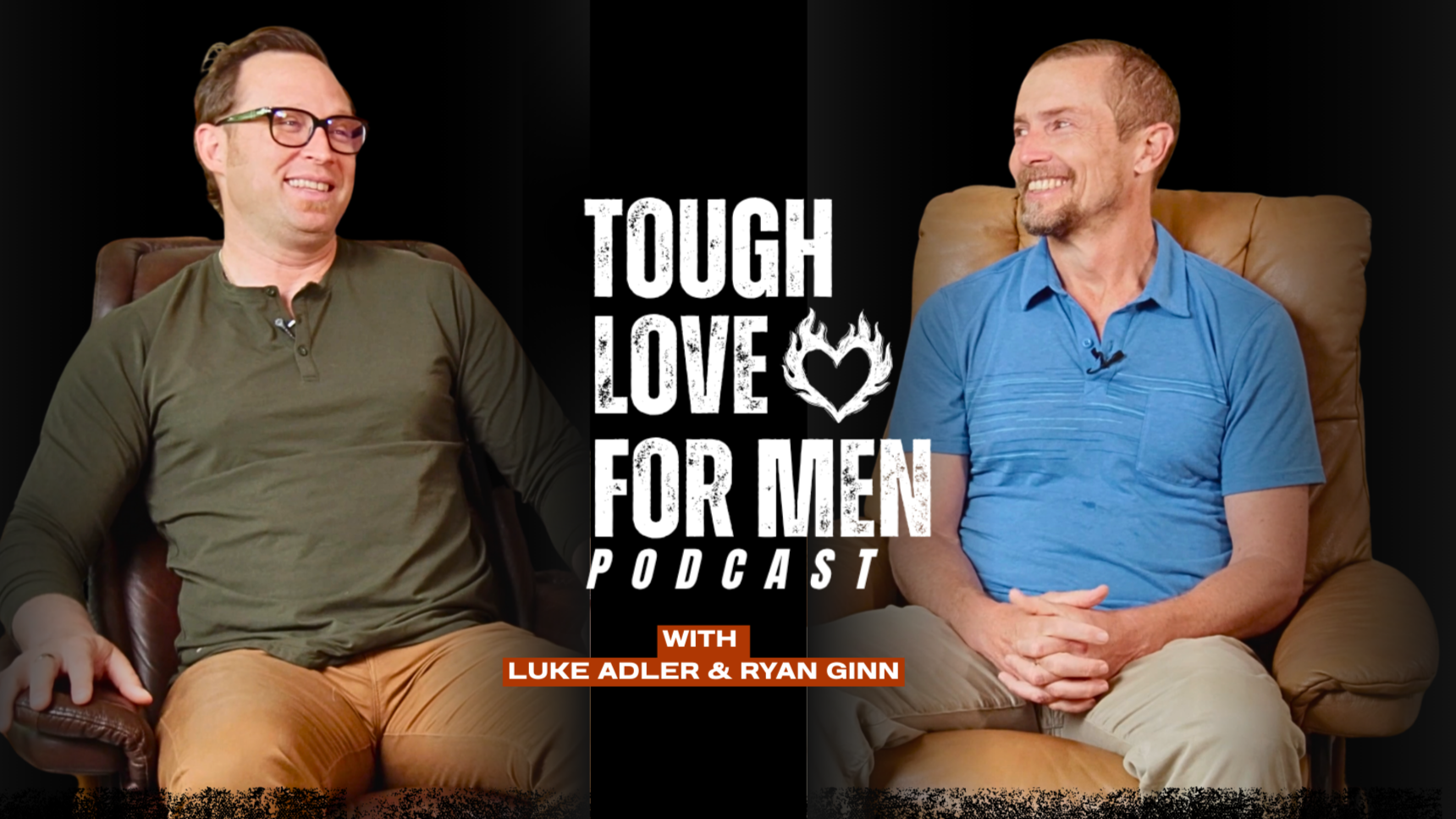
Luke and Ryan both speak from years of experience with meditation centers, ashrams, spiritual teachings, and contemplative practice. They are clear that these practices remain important in their lives. The problem is not finding refuge. It is refusing to leave the refuge when relationship asks you to return.
When Refuge Becomes Avoidance
A spiritual state can feel simple, expansive, and free from the heaviness of the body. Marriage and family life are rarely that simple. They are noisy, repetitive, emotionally demanding, and full of moments that do not resolve neatly.
If you become attached to peace as the only acceptable state, your partner’s emotions can start to feel like an interruption. Their anger, sadness, fear, or desire for connection may seem like evidence that they are less evolved, less disciplined, or doing spirituality incorrectly.
That interpretation protects you from having to be with what is happening between you.
Instead of asking, “What is my partner trying to share with me?” you may start asking, “Why can they not regulate themselves?” Instead of noticing your own resistance, you diagnose their lack of peace
Spiritual bypassing can therefore become a sophisticated form of avoidance. It offers a beautiful explanation for why you should not have to enter the difficult conversation.
The Overlap With Avoidant Attachment
This pattern often overlaps with avoidant attachment.
Avoidant strategies are adaptations. They help a person manage distress by becoming self-contained, minimizing needs, and finding ways to soothe without depending on another person. Spiritual practice can support that adaptation because it offers a meaningful, effective, and socially respected way to regulate alone.
Ryan describes recognizing this pattern in his own marriage. He could find calm and perspective through meditation, then quietly view his wife’s desire for more connection as the problem. A spiritual part of him could imagine that if she meditated more or studied the teachings more deeply, she would not need as much from him
Over time, he saw that he was using spirituality to justify emotional distance. He was prioritizing an individual path to freedom while leaving the relationship outside of the path.
Recognizing this does not make spiritual practice false or avoidance inherently shameful. It means asking a more honest question: Is this practice helping me become more available for love, or helping me feel good about staying unavailable?
Your Partner Is Not an Obstacle to Peace
Many people know the feeling of leaving a quiet practice and returning to the volume of ordinary life. The mind can quickly turn a partner, a child, or a difficult conversation into an obstacle to peace.
You may think, “I was fine until everyone started needing things from me.”
That thought is human. It also reveals the place where practice becomes real.
Peace that only exists when no one challenges you is fragile. Compassion that disappears when your partner becomes emotional has not yet been integrated. Patience that works in meditation but not in the kitchen, the car, or the middle of an argument still needs embodiment.
Your partner is not necessarily standing between you and your spiritual life. They may be showing you the exact places where your capacity to love is still developing.
Bring Your Practice Into the Conflict
Embodied spirituality brings the practice into the moment of conflict.
It may mean feeling your body tighten and choosing to breathe before you speak. It may mean pausing long enough to notice the urge to withdraw, lecture, fix, or rise above the conversation.
It can look like listening without making your partner’s pain wrong. It can involve kindness, restraint, and the humility to admit that your first interpretation may not be the whole truth
For someone who relates to God or a greater wisdom, prayer can become a way to return rather than escape
“Help me be more patient right now.”
“Help me make room for my pain and my partner’s pain.
“Help me stay open when everything in me wants to shut down.”
The purpose of the prayer is not to erase the conflict. It is to help you meet the conflict with more capacity.
Hold the Divine and the Human at the Same Time
Spiritual bypassing creates a false choice between divinity and humanity. You either remain connected to love, peace, and grace, or you enter the messy world of anger, shame, grief, and need.
A more integrated path holds both.
You can remember that life is sacred and acknowledge that you are furious. You can feel held by something larger and still admit that your marriage is hurting. You can value inner peace without demanding that your partner become peaceful before you are willing to love them.
The opposite extreme can become another trap. Constantly analyzing trauma without making room for joy, beauty, meaning, or grace can create its own feedback loop. Integration asks you to remain open to inspiration while also turning toward the pain that is present in your body and your relationships.
Neither reality has to cancel the other.
Relationship Can Become a Spiritual Path
Relationship becomes a spiritual path when you stop treating conflict as proof that something has gone wrong and begin using it as a place to practice.
The practice is learning how to communicate painful material without abandoning yourself or your partner. It is knowing when to breathe, when to pause, when to speak, and how to listen. It is allowing your history, conditioning, and wounds to become doorways into deeper honesty and connection.
This requires skills. Spiritual insight alone does not teach you how to repair after a rupture, stay present with a partner’s distress, or express anger without causing harm. Those capacities have to be learned and practiced.
As those skills grow, love does not always feel so tough. You become more confident that you can move toward the relationship, survive the discomfort, and let the experience shape you into a fuller partner, parent, and person.
That is a different kind of freedom. You are no longer free only when you are alone, meditating, or removed from conflict. You are becoming freer inside the relationships that matter most.
Key Takeaway
Spiritual practice is not meant to help you escape your humanity. It can help you meet your humanity with more love.
Keep the meditation, prayer, breathwork, time in nature, and traditions that nourish you. Then notice what happens when your partner brings you something difficult.
Use the breath to stay. Use prayer to soften. Use wisdom to become curious. Let the peace you touch in practice increase your capacity for the pain, complexity, and intimacy of real relationship.
The question is not only, “Does this practice make me feel better?”
It is also, “Does this practice help me love better?”
🎧 Listen to Episode 55 of the Tough Love for Men podcast for a candid conversation about spiritual bypassing, avoidant attachment, embodied practice, and how relationship can become part of your path toward freedom.