
From Tantrums to Connection: Transforming Reactivity in Relationships
In the middle of an argument, a familiar surge can rise in the body.
Tight chest. Clenched jaw. A sharp tone you didn’t plan to use.
Or the sudden urge to shut down completely.
If that’s ever happened to you, even with someone you deeply love, you’re not failing.
You’re human.
Reactivity isn’t a character flaw. It’s biology. When intensity increases, the nervous system shifts into survival mode, and instinct takes over long before logic gets a say.
Reactivity Is Built In
Each of us carries primitive brain structures designed to keep us alive, not emotionally articulate. When we feel threatened, misunderstood, or controlled, those systems activate automatically.
Even children show this clearly. Sometimes the resistance isn’t about the task, it’s about autonomy. Control. Power. That same primal energy doesn’t disappear with age. It just gets more socially acceptable disguises.
The Inner Child Wants to Be Heard Not Obeyed
The part of you that reacts isn’t bad. It’s usually young.
It’s the part that feels unseen, controlled, or unmet. And when it doesn’t get validation, it gets louder.
Working with reactivity doesn’t mean suppressing it. It means meeting it with empathy and discernment, listening without handing it the steering wheel.
Reactivity Is Life Force
Reactivity is energy. Passion. Aliveness.
When it’s acknowledged and worked with consciously, it doesn’t destroy connection, it deepens it.
Naming what’s happening inside you, slowing down, and choosing how you respond creates safety. And safety is what allows intimacy to grow.
The Invitation
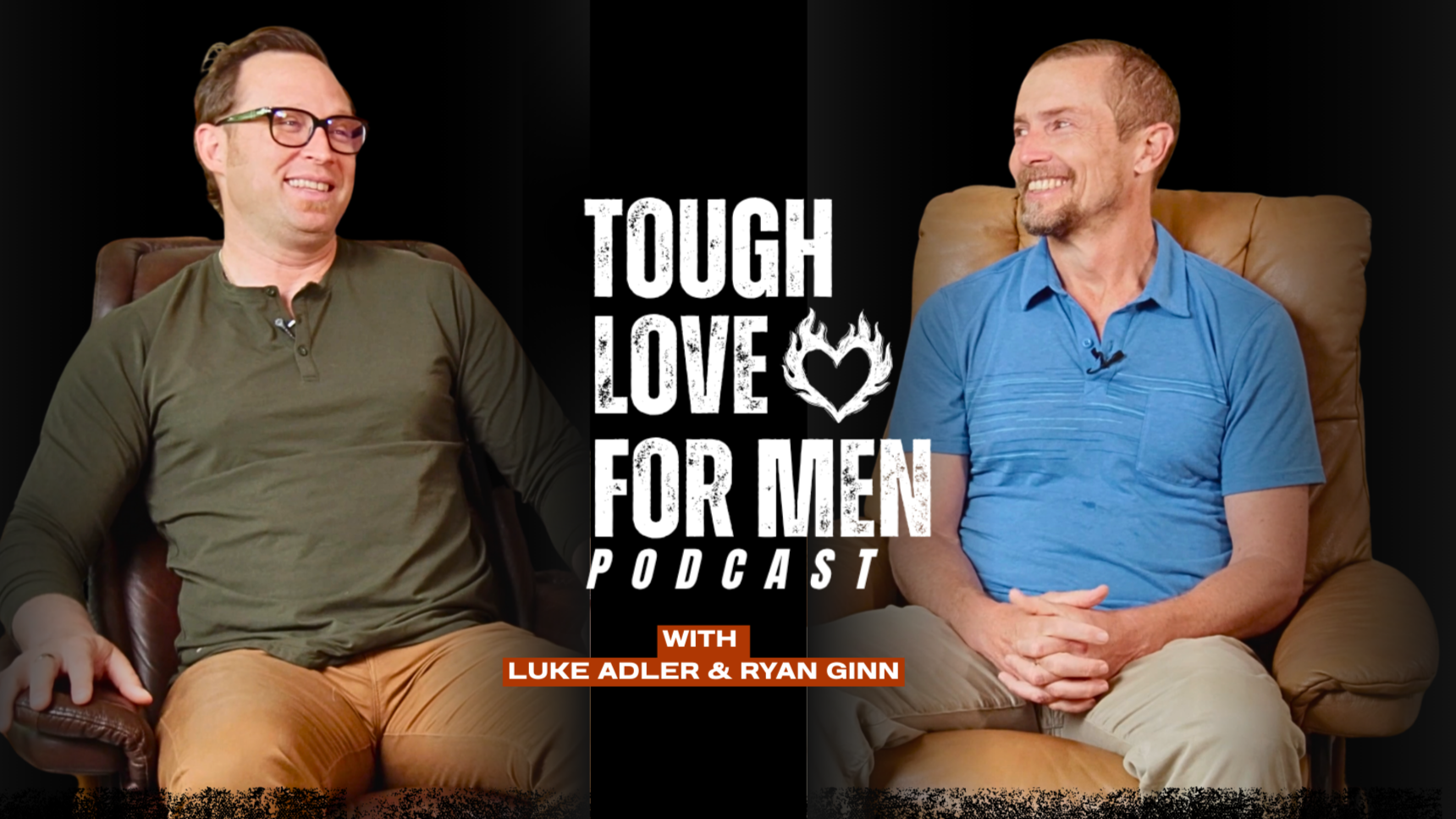
If you’ve been noticing your own reactivity—whether it shows up as anger, withdrawal, or shutdown, this episode offers a grounded, honest conversation about what to do next.
Want More from Luke and Ryan?
Check out our free masterclass 4 Hard Truths That Will Transform Your Relationships